When chaos erupts and uncertainty blankets the world, panic tends to grip the masses. Fear spreads like wildfire, and people often react instinctively, overlooking rational thought. Understanding why this occurs can give you an edge. It can mean the difference between being swept away by the tide of hysteria and standing firm, ready to face challenges head-on.
Understanding the Roots of Panic in Uncertain Times
Panic is a primal response. It stems from our ancestors who faced dire threats daily. When faced with danger, their instinct was to flee or fight. Today, that survival instinct still lingers. When crises strike—be it natural disasters, economic turmoil, or societal unrest—people revert to that ancient fight-or-flight response. The uncertainty of the situation amplifies fear and chaos, causing many to act irrationally.
Moreover, the media plays a significant role in fueling panic. Sensational headlines and dramatic reports create an atmosphere of dread. People often consume information uncritically, absorbing fear rather than facts. This barrage of negative news can trigger anxiety, leading to a collective state of panic. The more exposure one has to alarming stories, the more likely they are to feel overwhelmed by impending doom.
Lastly, social dynamics contribute to panic. When surrounded by fearful individuals, it’s easy to become part of the herd. Groupthink can quickly override personal judgment. If your neighbor is in a frenzy, you may find yourself feeling anxious too. This contagious nature of fear can escalate a situation, transforming a manageable crisis into outright chaos—making it crucial to recognize these triggers for your own peace of mind.
Essential Strategies to Maintain Calm and Stay Prepared
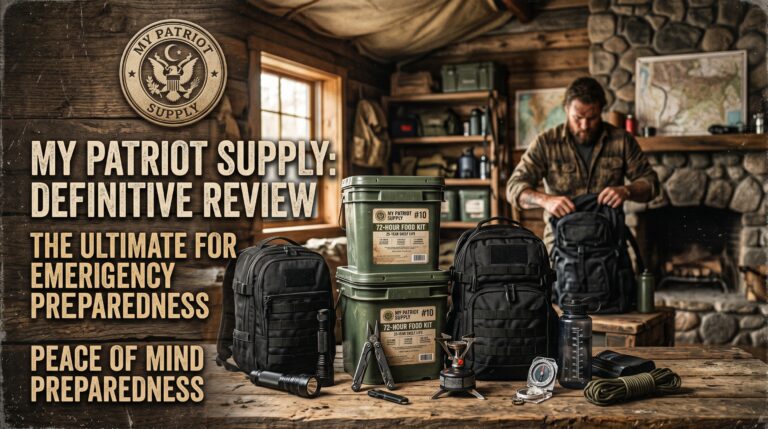
Preparation is your best ally. Knowing you have a plan helps you stay grounded. Start by assessing your needs. Create an emergency kit stocked with essentials: food, water, medical supplies, and tools. The mere act of preparing can diminish anxiety. You gain confidence from knowing you are ready for whatever may come your way, enabling you to stay calm when chaos reigns.
Mindfulness techniques can also play a pivotal role in maintaining composure. Breathing exercises, meditation, and quiet reflection can help refocus your mind. These practices enable you to distance yourself from panic and regain control. When you feel the pressure building, take a moment to breathe deeply. Center yourself before diving into action. This mental clarity can empower you to make informed decisions rather than react impulsively.
Finally, cultivate a community of like-minded individuals. Surrounding yourself with fellow survivalists fosters a sense of solidarity and support. Share knowledge, skills, and resources. This network can act as a buffer against panic. When times get tough, having a reliable support system can help you remain steadfast and focused. By collaborating with others, you reinforce each other’s resilience, ensuring you’re all prepared for whatever challenges lie ahead.
Panic is a natural human response, but it doesn’t have to dictate your actions. Understanding the psychology behind panic allows you to prepare effectively. By implementing essential strategies, you can maintain calm and empower yourself to face uncertain times with confidence. When others are swept away by fear, you’ll stand strong, ready to navigate whatever adversity comes your way.


About the Author